Menopause And Urinary System Incontinence
Upon crucial evaluation of the titles and abstracts of the continuing to be 442 research studies, 384 write-ups were regarded ineligible and rejected. Out of the 58 records required for additional assessment, 5 were unobtainable. Twenty manuscripts were excluded due to void or undependable research study results; two were letters to the editor, and 4 were abstracts without full-text accessibility. Sixteen of the 53 publications that passed the full-text screening phase were disqualified for making use of the wrong market kinds. The certifying needs are satisfied by the 11 research study publications that comprise this systematic evaluation.Understanding And Dealing With Unpleasant Intercourse
Menopause-related hormone changes can irritate the bladder and contribute to this problem. On the whole, the researches highlight the complexity of UI in postmenopausal ladies, where variables such as age, hormonal adjustments, and way of living add to the variability in occurrence and symptom extent. If you are awkward or unclear regarding doing Kegel exercises on your own, a medical professional or nurse can likewise educate you just how to do Kegels. A pelvic floor physical therapist or other specialist may also be available in your location to https://incontinence-direct.com/ aid show you how to reinforce these muscles.
The Reasons For Urinary System Incontinence During And After Menopause
A current research shed light on constant (recurring) UTIs in postmenopausal ladies. A number of varieties of germs can install themselves inside the bladder's area for persistent UTI licenses. Why are urinary system system issues like UTIs, frequent peeing, and incontinence a lot a lot more usual throughout and after menopause? We'll stroll you via explanations and what you can do to enhance overall urinary system tract wellness. Lots of ladies are shocked when they uncover that it's more challenging to manage their bladder throughout perimenopause and menopause.Initially, reduced testosterone can add to a loss of muscle mass, including the weakening of the pelvic flooring muscle mass, which enhances the danger of urinary incontinence. Later on in life, the drastic drop in estrogen throughout menopause creates the cells of the urethra and bladder cellular lining to end up being thinner, drier, and much less flexible. Due to the fact that the pelvic floor is no longer as solid, the daily feeling of bladder stress really feels a lot more intense. This typically results in tension incontinence (dripping when coughing or laughing) or an overactive bladder that demands immediate, urgent bathroom trips.
Navigating with menopausal signs can feel frustrating, especially when it looks like obstacles stand in the means of obtaining the care you need. A 2024 pelvic health study surveyed 612 women ages and checked out the frequency of pelvic health and wellness signs and symptoms and the spaces in the care they seek and get. Menopause marks a significant transition in a female's life, with its variety of signs often resulting in inquiries about their beginning. Amongst these signs, urinary incontinence can be specifically discouraging, leaving women to ask yourself if menopause triggers urinary incontinence. Allow's explore the connection in between menopause and urinary incontinence, unmasking misconceptions and providing sensible options for managing and minimizing your signs and symptoms.- Some women have urinary signs and symptoms since the pelvic floor muscular tissues are constantly tightened up.While incontinence is a common condition, it's not one that must be taken into consideration normal.Genitourinary Disorder of Menopause (GSM) includes different changes in the vulva, vaginal area, and reduced urinary system resulting from decreased estrogen degrees.
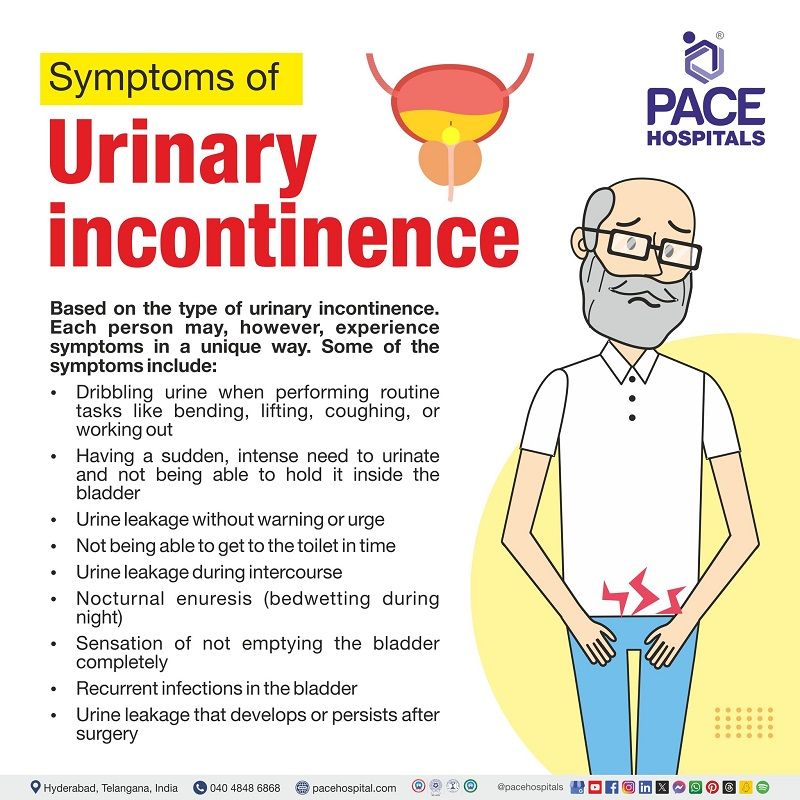
Estrogen also plays a rather large duty in urinary system tract health and wellness and function. Urinary system incontinence can materialize in different forms throughout menopause, consisting of tension urinary incontinence, necessity urinary system incontinence, or blended urinary system incontinence as the most typical. Decreasing estrogen levels are accountable for basically every one of those not-so-fun perimenopause and postmenopause symptoms-- including changes to our bladder. In menopause, females's ovaries quit generating estrogen, thus weakening their body's all-natural defenses against UTIs. Urinary system urinary incontinence, or uncontrolled bladder leakage, is an issue that impacts countless Americans. While it might happen to anyone, this form of incontinence is most typical in older adults, and ladies are more likely to experience it than males.